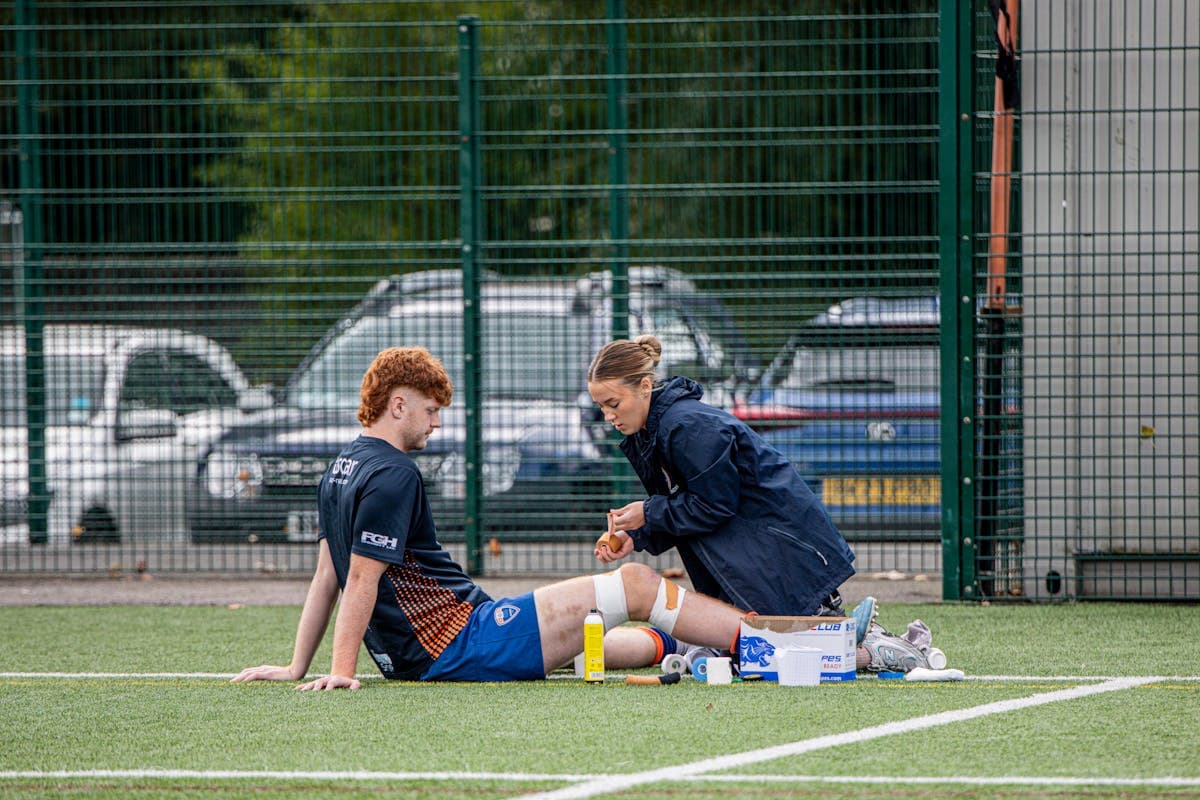
Sports Injury Recovery Guide: From Acute Care to Return-to-Sport
Key Takeaways
- 8.6 million sports injuries occur annually in the US; 30-40% of athletes re-injure within 12 months
- The POLICE protocol (Protection, Optimal Loading, Ice, Compression, Elevation) replaces outdated RICE
- Recovery follows 4 phases: acute, early rehab, sport-specific training, return-to-play
- Premature return to sport is the primary driver of re-injury
- Structured rehabilitation programs with clear criteria reduce re-injury rates significantly
The Reality of Sports Injury Recovery
Sports injuries are among the most common reasons patients seek physiotherapy, and among the most challenging to manage well. The challenge is not just physical healing - it is navigating the psychology of an active person forced into rest, managing expectations around return timelines, and ensuring the athlete does not return too soon and re-injure themselves.
The numbers tell the story. Approximately 8.6 million sports and recreation injuries occur annually in the United States alone. Of those, research suggests that 30-40% of athletes who return to sport after injury will experience a re-injury within the first 12 months - a statistic driven primarily by premature return and incomplete rehabilitation.
This guide provides a comprehensive roadmap from the moment of injury through full return to sport, covering the protocols, timelines, and criteria that evidence-based sports physiotherapy and aftercare follows.
The POLICE Protocol: Modern Acute Injury Management
For decades, R.I.C.E. (Rest, Ice, Compression, Elevation) was the standard for acute sports injury management. In recent years, the sports medicine community has evolved this to the POLICE protocol, which better reflects current evidence.
POLICE Explained
P - Protection: Protect the injured area from further damage. This may involve splinting, bracing, taping, or simply avoiding movements that stress the injured tissue. Protection does not mean complete immobilization - it means preventing further harm while allowing safe movement.
OL - Optimal Loading: This is the key evolution from R.I.C.E. Instead of complete rest, current evidence supports early, controlled loading of injured tissues. Optimal loading promotes healing by stimulating tissue repair, maintaining cardiovascular fitness, and preventing the deconditioning that prolonged rest causes.
What does optimal loading look like in practice? For a grade 1 ankle sprain, it might mean walking with a brace rather than using crutches. For a mild hamstring strain, it could mean gentle stretching and pool-based exercises rather than bed rest.
I - Ice: Apply cold therapy for 15-20 minutes every 2-3 hours during the first 48-72 hours. Ice reduces pain and helps manage swelling. Some recent research has questioned whether excessive icing might slow the inflammatory response that initiates healing, but the consensus remains that moderate ice application in the acute phase provides net benefit through pain reduction and swelling control.
C - Compression: Elastic bandages, compression sleeves, or wraps help limit swelling and provide support. Compression should be firm but not so tight that it restricts circulation. Check for numbness, tingling, or color changes below the compression.
E - Elevation: Elevate the injured area above heart level to reduce fluid accumulation and swelling. This is especially important in the first 48-72 hours when swelling is most active.
When the POLICE Protocol Is Not Enough
Seek immediate medical evaluation if any of the following are present:
- Inability to bear weight on the injured limb
- Obvious deformity suggesting fracture or dislocation
- Complete loss of function (cannot move the joint at all)
- Severe swelling that develops rapidly (within minutes)
- Numbness or tingling below the injury site
- A "pop" heard or felt at the time of injury (possible ligament tear)
- Pain that does not respond to ice and over-the-counter medication
Common Sports Injuries and Recovery Timelines
Understanding typical recovery timelines helps set realistic expectations and prevents premature return to sport. These timelines are averages and individual recovery varies based on injury severity, age, overall health, and rehabilitation compliance.
Muscle Injuries
| Injury | Grade | Typical Recovery | Return to Sport |
|---|---|---|---|
| Hamstring strain | Grade 1 (mild) | 1-3 weeks | 2-4 weeks |
| Hamstring strain | Grade 2 (moderate) | 4-8 weeks | 6-12 weeks |
| Hamstring strain | Grade 3 (complete tear) | 3-6 months | 4-9 months |
| Quadriceps strain | Grade 1-2 | 2-6 weeks | 3-8 weeks |
| Calf strain | Grade 1-2 | 1-6 weeks | 2-8 weeks |
| Groin strain | Grade 1-2 | 2-8 weeks | 4-10 weeks |
Ligament Injuries
| Injury | Severity | Typical Recovery | Return to Sport |
|---|---|---|---|
| Ankle sprain | Grade 1 | 1-2 weeks | 2-4 weeks |
| Ankle sprain | Grade 2 | 3-6 weeks | 4-8 weeks |
| Ankle sprain | Grade 3 | 8-12 weeks | 10-16 weeks |
| ACL tear (surgical) | Complete | 6-9 months | 9-12 months |
| MCL sprain | Grade 1-2 | 2-6 weeks | 4-8 weeks |
Tendon and Overuse Injuries
| Injury | Typical Recovery | Return to Sport |
|---|---|---|
| Achilles tendinopathy | 3-6 months | 4-8 months |
| Patellar tendinopathy | 3-6 months | 4-8 months |
| Tennis elbow | 6-12 months | Variable |
| Rotator cuff tendinopathy | 3-6 months | 4-8 months |
| Shin splints | 2-6 weeks | 3-8 weeks |
| Stress fracture | 6-12 weeks | 8-16 weeks |
Phase-Based Rehabilitation: The Four Stages
Regardless of the specific injury, sports rehabilitation follows a predictable four-phase progression. Advancing through phases should be criteria-based, not calendar-based.
Phase 1: Acute and Inflammatory (Days 1-7)
Goals: Protect the injury, manage pain and swelling, begin gentle movement within pain-free range, maintain fitness in unaffected areas.
What to do:
- Follow the POLICE protocol
- Take anti-inflammatory medication as directed
- Begin pain-free range of motion exercises
- Maintain cardiovascular fitness through alternative activities (upper body ergometer for lower limb injuries, stationary cycling for upper body injuries)
- Begin isometric exercises for the affected area if pain-free
Milestones to advance: Swelling is controlled, pain is decreasing daily, range of motion is improving.
Phase 2: Repair and Early Rehabilitation (Weeks 1-4)
Goals: Restore range of motion, begin progressive strengthening, address movement compensations, rebuild neuromuscular control.
What to do:
- Progressive range of motion exercises (active-assisted progressing to active)
- Resistance band exercises for the injured area
- Balance and proprioception training
- Pool-based exercises if available (reduced loading environment)
- Cardiovascular conditioning through modified activities
- Soft tissue work (massage, foam rolling of surrounding areas)
Milestones to advance: Full pain-free range of motion, ability to perform all exercises without pain, swelling resolved.
Phase 3: Strengthening and Conditioning (Weeks 4-12)
Goals: Restore full strength, develop power and endurance, progress functional movements, build confidence.
What to do:
- Progressive resistance training (moving from machines to free weights to sport-specific movements)
- Plyometric exercises (landing drills, hopping progressions, jumping exercises)
- Sport-specific movement patterns at controlled intensity
- Running progression (if applicable): walk, jog, run, sprint, change of direction
- Agility drills at progressive intensity
- Cardiovascular conditioning at sport-specific intensity
Milestones to advance: Strength within 90% of uninjured side, ability to complete sport-specific drills without pain or compensation, passing functional performance tests.
Phase 4: Return to Sport (Weeks 8-24+)
Goals: Safe, confident return to full competition, re-injury prevention, ongoing performance optimization.
What to do:
- Full-intensity sport-specific training
- Simulated competition scenarios
- Contact practice (if applicable) with progressive intensity
- Mental readiness assessment and psychological support
- Ongoing monitoring of symptoms
- Development of a long-term injury prevention program
Managing Inflammation and Pain During Recovery
Pain during sports injury rehabilitation serves two purposes: it is a protective signal to prevent further damage, and it is feedback about loading levels. Understanding how to interpret pain is essential for optimal recovery.
The Traffic Light Pain Model
Green light (0-3/10 pain): Safe to continue. Mild discomfort during exercise is acceptable and expected. This level of pain does not indicate tissue damage.
Amber light (4-6/10 pain): Proceed with caution. Moderate pain during exercise suggests you may be at or near the limit of appropriate loading. Reduce intensity by 20-30% and monitor.
Red light (7-10/10 pain): Stop immediately. Significant pain during or after exercise indicates excessive loading. Rest, apply ice, and consult your physiotherapist before continuing.
The 24-Hour Rule
A useful guideline for gauging exercise intensity: if your pain or swelling is worse 24 hours after exercise compared to before, you did too much. If it is the same or better, the loading was appropriate. Adjust future sessions accordingly.
Anti-Inflammatory Strategies
First 72 hours: Ice, compression, elevation, and NSAIDs if prescribed by your physician.
After 72 hours: Heat before exercise (improves tissue flexibility), ice after exercise (controls post-exercise swelling). Transition away from anti-inflammatory medication as your body's natural inflammatory response shifts to the repair phase.
Throughout recovery: Adequate sleep (7-9 hours), proper nutrition (sufficient protein, vitamin C, zinc), hydration, and stress management all support the body's healing processes.
Strength and Conditioning for Injury Recovery
The strength deficit after a sports injury is often more significant than athletes realize. Research shows that muscle strength can decrease by 1-3% per day during complete immobilization. Even with modified activity, the injured area loses strength, endurance, and neuromuscular coordination.
Progressive Loading Principles
Start low: Begin with resistance that allows 15-20 repetitions with minimal effort. This builds tissue tolerance before adding significant load.
Progress gradually: Increase resistance by no more than 10-15% per week. Follow the principle of progressive overload: sufficient stimulus to promote adaptation without exceeding the tissue's capacity.
Balance the chain: Injuries create compensation patterns. A knee injury changes how the hip and ankle work. Address the entire kinetic chain, not just the injured structure.
Train both sides: Bilateral exercises help maintain symmetry, but include unilateral work to address any strength discrepancies between the injured and uninjured sides.
Key Exercises for Common Sports Injuries
Ankle sprains: Single-leg balance progressions, heel raises, resistance band eversion/inversion, lateral step-downs, agility ladder drills.
Hamstring strains: Nordic hamstring curls, Romanian deadlifts, single-leg bridge progressions, eccentric sliding leg curls, running-specific drills.
Knee injuries (ACL, meniscus): Quad sets, straight leg raises, terminal knee extensions, squats (progressing depth), step-ups, lateral band walks, single-leg squats.
Shoulder injuries: Rotator cuff strengthening with bands, scapular stability exercises, prone Y-T-W raises, push-up progressions, overhead pressing (when cleared).
Mental Health During Sports Injury Recovery
The psychological impact of sports injury is often underestimated. Research consistently shows that injured athletes experience elevated rates of anxiety, depression, frustration, and identity disruption. A systematic review published in the British Journal of Sports Medicine found that up to 51% of injured athletes reported symptoms of anxiety or depression during recovery.
Common Psychological Responses
Grief and loss: Athletes often grieve the loss of their athletic identity, social connections through sport, fitness level, and competitive season or goals.
Fear and anxiety: Fear of re-injury is the most common psychological barrier to return to sport. This fear can persist even after all physical criteria are met.
Frustration and impatience: The desire to return quickly conflicts with the reality of biological healing timelines.
Isolation: Being separated from teammates and training routines can create feelings of disconnection and loneliness.
Strategies for Mental Resilience
Goal setting: Replace competition goals with rehabilitation goals. Daily and weekly targets provide a sense of progress and purpose.
Visualization: Mental rehearsal of sport-specific skills maintains neural pathways and builds confidence for return. Visualization has been shown to improve motor performance even without physical practice.
Support network: Stay connected with teammates, coaches, and training partners. Attend training sessions as a spectator when appropriate.
Professional support: Do not hesitate to seek psychological support. Sports psychologists specialize in helping athletes navigate the mental challenges of injury recovery.
Education: Understanding the injury, the healing process, and the rehabilitation timeline reduces anxiety and increases adherence. Patients who understand why they are doing specific exercises are significantly more likely to complete them.
Return-to-Sport Criteria: When Are You Actually Ready?
Premature return to sport is the single biggest risk factor for re-injury. Yet the pressure to return quickly comes from athletes themselves, coaches, teams, and sometimes even clinicians. Evidence-based return-to-sport criteria provide an objective framework that removes guesswork.
Physical Criteria
- Full, pain-free range of motion comparable to the uninjured side
- Strength within 90% of the uninjured side on isokinetic testing
- No pain or swelling during or after sport-specific activities
- Successful completion of a progressive running protocol (for lower limb injuries)
- Passing sport-specific functional tests (hop tests, agility tests, reactive drills)
Psychological Criteria
- Confidence in the injured area during sport-specific movements
- Absence of fear-avoidance behavior during challenging drills
- Willingness to fully commit to tackles, sprints, or other high-demand actions
- Score above threshold on the Injury Psychological Readiness to Return to Sport (I-PRRS) scale or similar validated tool
The Progressive Return Protocol
Even when all criteria are met, return should be graduated:
- Week 1: Modified training at 50% intensity, no contact
- Week 2: Full training at 75% intensity, controlled contact
- Week 3: Full training at 100% intensity, full contact
- Week 4: Full competition availability with monitoring
Preventing Re-Injury: Long-Term Strategies
Completing rehabilitation and returning to sport is not the end of the process. The first 6-12 months after return carry the highest re-injury risk. A proactive prevention program dramatically reduces this risk.
Evidence-Based Prevention Programs
FIFA 11+: Developed for football (soccer), this warm-up program has been shown to reduce injuries by 30-50% when performed consistently. It includes running, strength, balance, and plyometric exercises performed as a warm-up before training and matches.
Nordic hamstring protocol: Regular eccentric hamstring exercises reduce hamstring re-injury risk by up to 51%. This is one of the most well-supported injury prevention interventions in sports medicine.
Balance training: Proprioceptive training reduces ankle sprain recurrence by up to 35%. This is particularly important for athletes returning from ankle injuries.
Training Load Management
The acute-to-chronic workload ratio: This metric compares recent training load (last 7 days) to baseline training load (rolling 28-day average). Ratios above 1.5 significantly increase injury risk. Keeping this ratio between 0.8 and 1.3 provides the "sweet spot" of training stimulus without excessive injury risk.
Monitoring tools: Rate of perceived exertion (RPE), session duration, training volume, and wellness questionnaires provide simple but effective load monitoring for athletes at all levels.
Ongoing Maintenance
- Weekly strength training: Maintain the exercises that were effective during rehabilitation
- Pre-training activation: Brief neuromuscular warm-up before every training session
- Regular screening: Periodic assessment of strength, flexibility, and movement quality
- Load monitoring: Track training volume and intensity to avoid spike-related injuries
How Automated Aftercare Messaging Supports Sports Injury Recovery
The gap between clinic sessions is where most rehabilitation fails. Athletes may see their physiotherapist 2-3 times per week, but the other 165 hours require self-directed rehabilitation. Automated aftercare messaging bridges this gap.
Why It Works for Sports Injuries
Timed exercise reminders: Messages arrive at the right time with the right exercises for each phase of rehabilitation. No more laminated exercise sheets that get lost in gym bags.
Progress motivation: Regular check-in messages that acknowledge progress and normalize the frustrations of recovery keep athletes engaged.
Red flag awareness: Clear, timely information about what is normal versus concerning prevents both under-reporting (toughing it out) and over-reporting (panicking about normal symptoms).
Compliance tracking: When athletes know they will receive a check-in message, they are more likely to complete their prescribed exercises. The Hawthorne effect works in rehabilitation just as it does in research.
For Physiotherapy and Sports Medicine Clinics
PostCare provides pre-built aftercare sequences specifically designed for physiotherapy and sports rehabilitation. With automated WhatsApp messaging, your clinic can ensure every patient receives consistent, evidence-based guidance throughout their recovery journey.
The platform's concern detection feature allows athletes to report issues between appointments, enabling early intervention before minor setbacks become major complications. For clinics managing dozens or hundreds of rehabilitation patients simultaneously, this automated approach transforms the quality and consistency of care.
Give Your Patients the Support They Need Between Sessions
Sports injury recovery demands consistent support that extends beyond clinic walls. PostCare automates aftercare messaging via WhatsApp, delivering the right guidance at the right time throughout every phase of rehabilitation. Set up your first sports rehabilitation sequence in minutes and give your athletes the structured support that accelerates recovery and prevents re-injury. Visit postcare.net to get started.
Related Reading
- What Is Aftercare? The Complete Guide for Clinics and Practitioners
- Post-Surgery Rehabilitation: A Complete Recovery Roadmap
- How to Reduce No-Shows at Your Clinic
- How to Automate Patient Follow-Up via WhatsApp in 2026
- 7 Best Aftercare Software for Clinics in 2026 (Compared)
Are you a practitioner? If you provide this treatment and want to automate aftercare instructions for your clients via WhatsApp, PostCare sends the right message at the right time — so your clients heal better and you save hours every week. Start your free trial.
Stop printing aftercare guides
Automate sending personalized aftercare instructions to every client via WhatsApp.