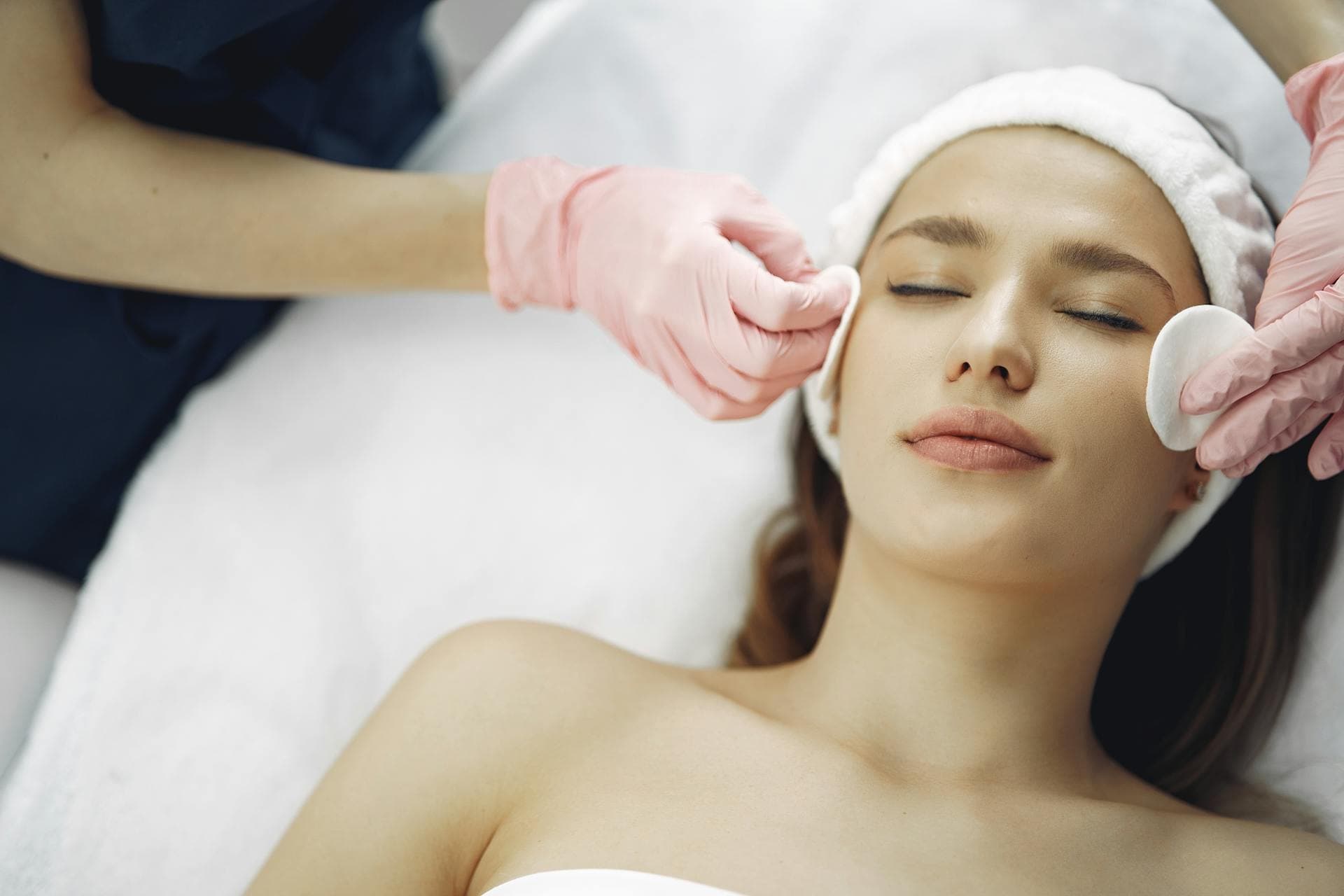
What Is Aftercare? The Complete Guide for Clinics and Practitioners
Key Takeaways
- Aftercare is the follow-up care, instructions, and support provided after a medical or aesthetic procedure
- Clinics with structured aftercare retain nearly double the rate of first-time clients
- Proactive aftercare reduces emergency calls, complications, and negative reviews
- Digital aftercare via WhatsApp has a 98% open rate vs. 20% for email
- Automated aftercare saves clinics 2+ hours per day on manual follow-up
What Does Aftercare Mean?
Aftercare refers to the care, instructions, and support provided to a patient or client after a medical procedure, aesthetic treatment, or body modification. It covers everything from immediate post-procedure guidelines (what to avoid, what to expect) to ongoing follow-up over days or weeks until full recovery.
In simple terms: the treatment does not end when the client leaves your clinic. What happens afterward often determines the final result, the client's satisfaction, and whether they come back.
While the word "aftercare" is used in many contexts - from mental health to personal relationships - in the world of beauty, aesthetics, and healthcare, it has a very specific and critical meaning.
Why Aftercare Matters More Than You Think
For the Client
Every treatment triggers a biological response. Whether it is Botox settling into muscles, a tattoo healing through layers of skin, or a dental implant integrating with bone, the body needs time and the right conditions to heal properly.
During recovery, clients experience:
- Physical symptoms - swelling, redness, bruising, tenderness, peeling, or discomfort that may feel alarming if unexpected
- Anxiety - "Is this normal?" is the most common question in the 24 hours following any procedure
- Decision regret - without reassurance, minor side effects can spiral into full buyer's remorse
- Information overload - conflicting advice from Google, social media, friends, and forums
Proper aftercare provides clarity, reduces anxiety, and gives clients the confidence that their recovery is progressing normally.
For the Practitioner
Aftercare is not just a nice-to-have - it is a business-critical function:
- Better outcomes - clients who follow aftercare instructions heal faster and get better results
- Fewer complications - proactive guidance prevents common mistakes (touching treated areas, sun exposure, wrong skincare products)
- Reduced phone calls - answering the same questions 20 times a week drains your staff's time
- Higher retention - clients who feel cared for after treatment return at nearly double the rate of those who do not
- Better reviews - the post-treatment experience is what clients remember most when writing Google reviews
Research consistently shows that clinics with structured aftercare programs retain 60-70% of first-time clients, compared to just 30-35% for clinics with no post-treatment follow-up.
What Does Aftercare Include?
Aftercare varies by treatment type, but it generally covers four core areas:
1. Immediate Post-Treatment Instructions
These are the guidelines given right after the procedure:
- Do's and don'ts - avoid sun exposure, do not touch the treated area, skip certain medications
- Expected side effects - what is normal (mild swelling, redness) versus what requires attention (severe pain, infection signs)
- Activity restrictions - no exercise for 24 hours, no swimming for a week, no makeup for 48 hours
- Product recommendations - specific creams, ointments, or rinses to use during healing
2. Timed Follow-Up Messages
Recovery does not happen all at once. Different stages of healing require different guidance:
- Day 0 (hours after) - immediate care reminders and reassurance
- Day 1-2 - check-in on how the client is feeling, address early concerns
- Day 3-7 - guidance for the peak healing phase (peeling, bruising evolution, swelling reduction)
- Day 7-14 - setting expectations for when results become visible
- Day 14-30 - rebooking prompt and long-term maintenance advice
3. Concern Detection and Response
Even with perfect instructions, some clients will experience complications or have urgent questions. Good aftercare includes:
- A way for clients to ask questions easily (WhatsApp, SMS, or a dedicated form)
- Rapid response to reported concerns
- Escalation protocols for symptoms that require clinical attention
4. Long-Term Maintenance Guidance
Many treatments require ongoing care or periodic touch-ups:
- Botox: rebooking every 3-4 months
- Dermal fillers: touch-up at 6-12 months
- Tattoos: a touch-up session after 4-6 weeks
- Teeth whitening: maintenance every 6 months
- Hair transplant: follow-up at 3, 6, and 12 months
Aftercare that includes well-timed rebooking reminders turns one-time clients into long-term patients.
Aftercare by Industry
Aesthetic Clinics and Med Spas
Aftercare is essential for injectables (Botox, fillers), chemical peels, laser treatments, microneedling, and body contouring. Clients are often first-timers with high anxiety levels. Structured aftercare dramatically reduces "no-show" rates for follow-up appointments and increases treatment plan adherence.
Dental Practices
Post-procedure care is critical for implants, extractions, veneers, whitening, and orthodontic adjustments. Patients who receive clear aftercare instructions experience fewer complications and report higher satisfaction. Dental aftercare often includes dietary restrictions, oral hygiene modifications, and pain management guidance.
Tattoo Studios
Tattoo aftercare is one of the most searched topics online - "tattoo aftercare" receives over 100,000 monthly searches on Google. Proper healing instructions (washing, moisturizing, sun protection, avoiding swimming) directly affect the quality of the finished tattoo. Studios that provide structured aftercare see fewer touch-up requests due to client error and stronger word-of-mouth referrals.
Beauty Salons
Eyelash extensions, microblading, keratin treatments, and hair coloring all require specific post-treatment care. Clients who follow proper aftercare instructions enjoy longer-lasting results, which reflects directly on the salon's reputation.
Hair Transplant Clinics
Post-operative care for hair transplants is extensive - spanning months. Patients need detailed instructions for sleeping position, washing, medication schedules, and activity restrictions. The stakes are high: improper aftercare can compromise graft survival rates.
The Evolution of Aftercare
The Old Way: Paper Instructions
For decades, aftercare meant a printed sheet of paper handed to the client on their way out. The problems with this approach are well documented:
- 73% of printed aftercare sheets are never read again after leaving the clinic
- Clients lose them, forget them, or cannot find them when they actually need them
- Paper cannot answer questions at 11 PM when the client notices unexpected swelling
- One-size-fits-all sheets do not account for different treatment variations
The Modern Way: Automated Digital Aftercare
Today, clinics are replacing paper with timed, personalized messages sent directly to the client's phone. This approach solves every limitation of paper instructions:
- Messages arrive when relevant - day-of reminders, day-3 check-ins, day-7 reassurance
- WhatsApp has a 98% open rate - compared to 21% for email
- Clients can reply with questions - creating a two-way care channel
- Every client gets consistent care - no more "I forgot to mention" moments
- Concern detection - AI can identify when a client reports a problem and alert the clinical team
This is exactly what PostCare was built for. It provides ready-made aftercare messaging sequences for over 75 treatments across aesthetics, dental, tattoo, beauty, and more. Messages are sent automatically via WhatsApp at precisely the right time, in the client's preferred language.
Common Aftercare Mistakes
Providing No Follow-Up at All
The worst mistake is also the most common. The client pays, leaves, and hears nothing until a marketing email arrives weeks later. This signals that the clinic views them as a transaction rather than a patient.
Generic Instructions for Every Treatment
A Botox client and a chemical peel client have completely different recovery experiences. Sending the same aftercare sheet to both undermines your credibility and can lead to clients following inappropriate advice.
Delayed Communication
Aftercare that arrives three days after treatment is too late. The critical anxiety window is 2-6 hours post-procedure. If the client does not hear from you during this window, they have already turned to Google for answers.
Forgetting the Rebooking Prompt
Aftercare is not just about recovery - it is about continuity of care. Clinics that include a well-timed rebooking suggestion in their aftercare sequence see 30-40% higher rebooking rates than those that rely on clients remembering on their own.
Relying Only on Verbal Instructions
Clients are often nervous, excited, or distracted when leaving the clinic. Studies show that patients retain less than 20% of verbal medical instructions. Written, timed aftercare messages ensure nothing is forgotten.
How to Implement Aftercare in Your Practice
Step 1: Map Your Treatment Catalog
List every treatment you offer and identify the specific aftercare needs for each:
- Expected recovery timeline
- Common side effects and when to seek help
- Do's and don'ts for each phase of healing
- Recommended products or medications
- Ideal rebooking timeframe
Step 2: Choose Your Communication Channel
WhatsApp is the most effective channel for aftercare in most countries, with a 98% open rate. SMS works well in markets where WhatsApp is less common. Email is the least effective for time-sensitive aftercare due to low open rates.
Step 3: Create or Use Pre-Built Aftercare Sequences
You can write your own aftercare messages or use a platform like PostCare that provides pre-written, clinically-reviewed sequences for 75+ treatments. Each sequence includes multiple timed messages covering the entire recovery period.
Step 4: Integrate Into Your Workflow
The key to successful aftercare is making it effortless for your staff. Enrollment should take less than 30 seconds per client - ideally just selecting the treatment and entering the client's phone number. Everything else should be automated.
Step 5: Monitor and Improve
Track your aftercare metrics:
- What percentage of clients engage with aftercare messages?
- How many report concerns?
- Has your retention rate improved?
- Are you receiving more positive reviews mentioning follow-up care?
Frequently Asked Questions
What is the difference between aftercare and follow-up?
Aftercare is broader - it includes the full scope of post-treatment care: instructions, check-ins, concern management, and rebooking. A follow-up is typically a single check-in call or appointment. Effective aftercare encompasses multiple follow-ups timed to the recovery timeline.
How long should aftercare last?
It depends on the treatment. A simple teeth whitening may need aftercare for 48 hours. A hair transplant may require aftercare spanning 12 months. Most aesthetic treatments benefit from 7-14 days of active aftercare, followed by a rebooking prompt at the appropriate interval.
Is aftercare a legal requirement?
In many jurisdictions, providing post-treatment instructions is a duty of care for medical and aesthetic procedures. While the specific requirements vary by country and treatment type, failure to provide adequate aftercare can expose practitioners to liability claims. Beyond legal obligations, aftercare is simply good clinical practice.
Can aftercare be automated?
Yes, and it should be. Automation ensures every client receives consistent, timely aftercare without adding workload to your staff. Platforms like PostCare automate the entire process - from the first post-treatment message to the rebooking prompt - via WhatsApp.
What treatments benefit most from aftercare?
All treatments benefit, but those with longer recovery periods see the highest impact: surgical procedures, chemical peels, laser treatments, tattoos, and dental implants. For quick treatments like Botox or teeth whitening, aftercare's biggest impact is on rebooking rates rather than recovery management.
Does aftercare really affect Google reviews?
Significantly. Clients who receive proactive aftercare are 3-4 times more likely to leave a positive review. The phrases "great follow-up" and "they checked on me after" appear consistently in 5-star reviews for clinics with aftercare programs.
Aftercare Is the Missing Piece
Most clinics invest heavily in attracting new clients and delivering excellent treatments. But the gap between a good treatment and a loyal, returning client is filled by aftercare.
It is the message that arrives 3 hours after treatment saying "this is normal." It is the day-5 check-in that catches a concern early. It is the perfectly-timed rebooking reminder that turns a one-time visit into a long-term relationship.
If your clinic is not providing structured aftercare today, you are leaving client satisfaction, retention, and revenue on the table.
Start automating your aftercare with PostCare - free for 14 days, no credit card required.
Related Reading
Stop printing aftercare guides
Automate sending personalized aftercare instructions to every client via WhatsApp.