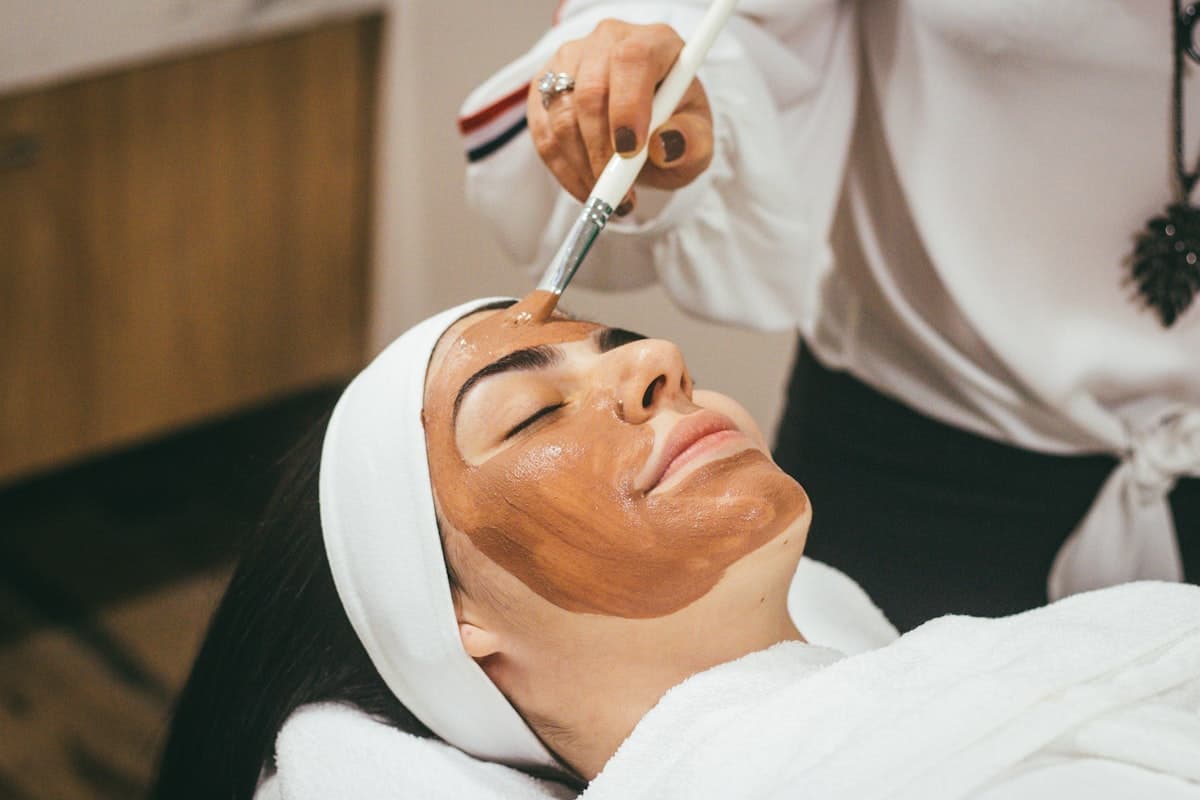
Chemical Peel Aftercare: The Practitioner's Checklist
Key Takeaways
- A standardized checklist ensures every client gets consistent aftercare regardless of which staff performed the peel
- Documented aftercare protocols provide liability protection if complications arise
- Pre-treatment prep (retinoid discontinuation, SPF) is as important as post-treatment care
- Automating aftercare messages reduces manual follow-up and improves compliance
- Different peel depths require different aftercare intensity and timelines
💡 For clinic owners: Automate patient follow-up via WhatsApp · Get more 5-star Google reviews · Why Google reviews matter for clinics
Why Every Practitioner Needs a Standardized Aftercare Checklist
You have perfected your peel technique. You know how to assess skin types, select the right acid concentration, and time the application for optimal results. But what happens after the client walks out the door is just as important as what happens on the treatment bed, and it is often the part that gets the least attention.
A standardized chemical peel aftercare checklist solves three critical problems for practitioners.
Consistency across your team. If you have multiple aestheticians performing peels, each one may give slightly different post-care instructions. One might emphasize SPF. Another might forget to mention retinoid discontinuation. A checklist ensures every client receives the same high-quality guidance regardless of who performs the treatment.
Liability protection. Documented aftercare protocols demonstrate that you provided proper post-treatment instructions. If a client experiences complications and claims they were not informed, your checklist and communication records show otherwise. In an industry where litigation over aesthetic outcomes is increasing, this documentation is not optional.
Better clinical outcomes. Studies in aesthetic dermatology consistently show that client compliance with aftercare instructions is the strongest predictor of treatment satisfaction. A structured follow-up protocol catches complications early, reinforces instructions at critical moments, and keeps the client engaged throughout recovery. The result: fewer callbacks, fewer complaints, and better before-and-after photos for your portfolio.
Pre-Peel Preparation Checklist
The aftercare process actually begins before the peel. Thorough preparation reduces complication risk and sets the stage for a smooth recovery.
Client Assessment
| Checkpoint | Details | Completed |
|---|---|---|
| Medical history review | Allergies, medications (isotretinoin, photosensitizers), autoimmune conditions, keloid history | [ ] |
| Fitzpatrick skin type | Document type I-VI; higher types require conservative acid selection to avoid PIH | [ ] |
| Active skin conditions | Rule out active herpes simplex, open wounds, eczema flares, sunburn | [ ] |
| Recent treatments | No laser, microneedling, or waxing within 2-4 weeks | [ ] |
| Pregnancy/nursing status | Contraindicated for most chemical peels | [ ] |
Pre-Treatment Protocol
| Checkpoint | Details | Completed |
|---|---|---|
| Retinoid discontinuation | Stop retinol/tretinoin 5-7 days before treatment | [ ] |
| AHA/BHA discontinuation | Stop glycolic, salicylic, lactic acids 5-7 days before | [ ] |
| Hydroquinone pause | Discontinue 48 hours before (or per your protocol) | [ ] |
| Informed consent signed | Risks, expected downtime, realistic outcome expectations | [ ] |
| Pre-treatment photos | Standardized lighting, multiple angles, stored in client file | [ ] |
| Patch test (if first peel) | 24-48 hours prior for new clients or new acid formulations | [ ] |
| Pre-peel skin prep | Cleanse, degrease, apply pre-peel solution per manufacturer protocol | [ ] |
Aftercare Protocol by Peel Depth
The post-treatment protocol must match the depth and intensity of the peel performed. A phenol peel client and a light glycolic peel client need fundamentally different aftercare.
Superficial Peels (Glycolic, Lactic, Mandelic, Enzyme)
Expected downtime: 0-3 days Peeling intensity: Minimal to light flaking
| Aftercare Instruction | Timing |
|---|---|
| Apply recommended moisturizer | Immediately post-peel and every 4-6 hours |
| SPF 30+ broad-spectrum sunscreen | Begin next morning, reapply every 2 hours outdoors |
| Gentle cleanser only (no actives) | For 48-72 hours |
| No makeup | 24 hours minimum |
| Avoid heat exposure (sauna, hot yoga, steam) | 48 hours |
| Resume retinoids/AHAs | After 5-7 days or when peeling resolves |
Key practitioner note: Superficial peels carry the lowest risk, but under-educating clients is a common mistake. Even a light glycolic peel requires sun avoidance. Clients who think "light peel = no aftercare" are the ones who develop post-inflammatory hyperpigmentation.
Medium-Depth Peels (TCA 15-35%, Jessner's, High-Concentration Glycolic)
Expected downtime: 5-7 days Peeling intensity: Moderate to significant sheet peeling
| Aftercare Instruction | Timing |
|---|---|
| Apply healing ointment (aquaphor/petrolatum) | Every 2-3 hours for first 48 hours |
| Transition to ceramide moisturizer | After crusting resolves (usually day 3-4) |
| SPF 50+ mineral sunscreen | Once skin tolerates it (usually day 3-5) |
| No makeup whatsoever | Until peeling is complete (5-7 days) |
| Sleep elevated | First 2-3 nights to reduce swelling |
| Cool compresses for discomfort | As needed, first 48 hours |
| No picking or manual peeling removal | Entire recovery period |
| Avoid exercise/sweating | 5-7 days |
| Resume active skincare | Not before day 14, with practitioner approval |
Key practitioner note: Day 2-3 is when most clients panic. The skin darkens, tightens, and begins separating in sheets. Proactive messaging at this stage, reassuring the client that this is expected and instructing them not to pick, prevents the most common complication: scarring from premature peel removal.
Deep Peels (Phenol, High-Concentration TCA 50%+)
Expected downtime: 2-4 weeks Peeling intensity: Significant crusting and prolonged erythema
| Aftercare Instruction | Timing |
|---|---|
| Medical-grade wound care | Per physician protocol, first 7-10 days |
| Pain management (prescribed analgesics) | First 3-5 days |
| Antiviral prophylaxis (if indicated) | Begin pre-peel, continue 7-10 days post |
| Continuous ointment application | Until re-epithelialization (7-14 days) |
| Strict sun avoidance | Minimum 8-12 weeks |
| No strenuous activity | 2-3 weeks |
| Follow-up appointments | Day 1, day 3, day 7, day 14, day 28 |
| Cardiac monitoring (phenol) | During and immediately after procedure |
Key practitioner note: Deep peels are medical procedures. If you are performing phenol peels, your aftercare protocol should include in-person follow-ups. Automated messaging supplements but does not replace direct medical supervision at this depth.
Day-by-Day Follow-Up Schedule
Regardless of peel depth, structured follow-up at specific intervals catches problems early and reinforces compliance. Here is what to check at each checkpoint.
Day 1 (24 Hours Post-Peel)
Assess: Level of erythema, swelling, client comfort level, any blistering or unexpected reactions.
Communicate: Confirm the client is following the moisturizing and sun protection protocol. Reassure them about normal post-peel sensations (tightness, warmth, mild stinging). Remind them: do not pick, do not scrub, do not apply active products.
Day 3 (Peak Peeling Onset for Medium Peels)
Assess: Onset of visible peeling, skin color changes, any signs of infection (unusual warmth, pus, spreading redness beyond treatment area, fever).
Communicate: Prepare the client for the peeling phase. This is the highest-anxiety moment for most clients. Normalize the appearance, restate the no-picking rule, and confirm what products they should be using.
Day 7 (Post-Peeling Assessment)
Assess: Peeling completion (for superficial and medium peels), new skin appearance, any areas of delayed healing, early signs of post-inflammatory hyperpigmentation.
Communicate: Congratulate the client on completing the main recovery phase. Provide updated skincare guidance for the renewal phase. Discuss when active ingredients can be reintroduced.
Day 14 (Results and Reintroduction)
Assess: Overall skin quality, client satisfaction, compare to pre-treatment photos, determine if treatment goals were met.
Communicate: Share observations on results, discuss maintenance plan, recommend next treatment timing, request client feedback. This is also the appropriate time to ask for a review or referral.
Red Flags: When to Intervene
Train your team to recognize these warning signs and act immediately. Include them in your aftercare communications so clients know when to contact you.
| Red Flag | Possible Cause | Action Required |
|---|---|---|
| Excessive erythema beyond expected duration | Over-penetration, allergic reaction | In-person assessment, consider topical steroid |
| Vesicles or bullae formation | Peel too deep for skin type, contact dermatitis | Immediate evaluation, wound care protocol |
| Purulent discharge or crusting with odor | Secondary bacterial infection | Refer for culture and antibiotics |
| Expanding erythema with fever | Cellulitis or systemic infection | Urgent medical referral |
| New dark patches (PIH) | UV exposure, inflammation in higher Fitzpatrick types | Strict sun avoidance, consider hydroquinone/arbutin |
| Persistent erythema beyond 3 weeks (medium peel) | Delayed healing, possible scarring | Dermatology referral for assessment |
| Herpes simplex outbreak | Reactivation from skin trauma | Antiviral treatment (valacyclovir) |
The key principle: When in doubt, see the client in person. An early intervention prevents a minor issue from becoming a major complication. Your aftercare messaging should always include clear instructions on how and when to contact you.
Client Communication Templates
Effective aftercare messaging follows a predictable structure. Here are templates you can adapt for each checkpoint.
Same-day message (2-3 hours post-treatment): "Hi [Name], thank you for your [peel type] treatment today. For the next 48 hours: apply your moisturizer every 4-6 hours, avoid sun exposure, and skip all active skincare products. Light redness and tightness are completely normal. Contact us if you have any concerns."
Day 3 check-in: "Hi [Name], you may notice your skin starting to flake or peel today - this is exactly what we want to see. Do not pull or pick at any peeling skin, even if it is tempting. Keep moisturizing and applying SPF. How is everything feeling?"
Day 7 update: "Hi [Name], by now most of the visible peeling should be complete. Your new skin may look pink or slightly sensitive - that is normal and will continue to improve. You can begin wearing mineral makeup again. Continue with SPF 30+ for the next 4 weeks."
Day 14 results and rebooking: "Hi [Name], it has been two weeks since your peel, and you should be seeing smoother, more even-toned skin now. To maintain these results, we recommend scheduling your next treatment in 4-6 weeks. Would you like to book your preferred time?"
Writing and sending these messages manually for every client is not sustainable. That is where automation comes in.
Automate Your Entire Aftercare Checklist with PostCare
PostCare transforms your paper checklist into an automated communication system. Here is how it works in practice.
Step 1: Enroll the client. After performing the peel, your aesthetician opens PostCare and enrolls the client in the chemical peel aftercare sequence. This takes about 15 seconds.
Step 2: Messages send automatically. PostCare sends the right message at the right time via WhatsApp - same-day instructions, day 3 reassurance, day 7 guidance, and day 14 follow-up. The messages are timed to the specific peel type and depth.
Step 3: Monitor responses. If a client replies with a concern, PostCare flags it so you can respond personally. You get the efficiency of automation with the safety net of human oversight.
Step 4: Document everything. Every message sent and received is logged, creating a compliance record that protects both you and your client.
The result: consistent aftercare across every client, every peel, every practitioner on your team. No more forgotten follow-ups. No more clients who picked at their peeling skin because they did not receive the day 3 warning. No more liability gaps in your documentation.
PostCare includes pre-built aftercare sequences for chemical peels, along with 77 other treatment types across beauty, aesthetics, and dental specialties.
Ready to standardize your chemical peel aftercare? Start your free trial and set up your first peel aftercare sequence in minutes. Check our pricing plans for the right fit, or explore our chemical peel aftercare guide for clients to see what your clients will receive. For more treatment-specific resources, visit our aftercare guides hub.
Related Reading
Stop printing aftercare guides
Automate sending personalized aftercare instructions to every client via WhatsApp.