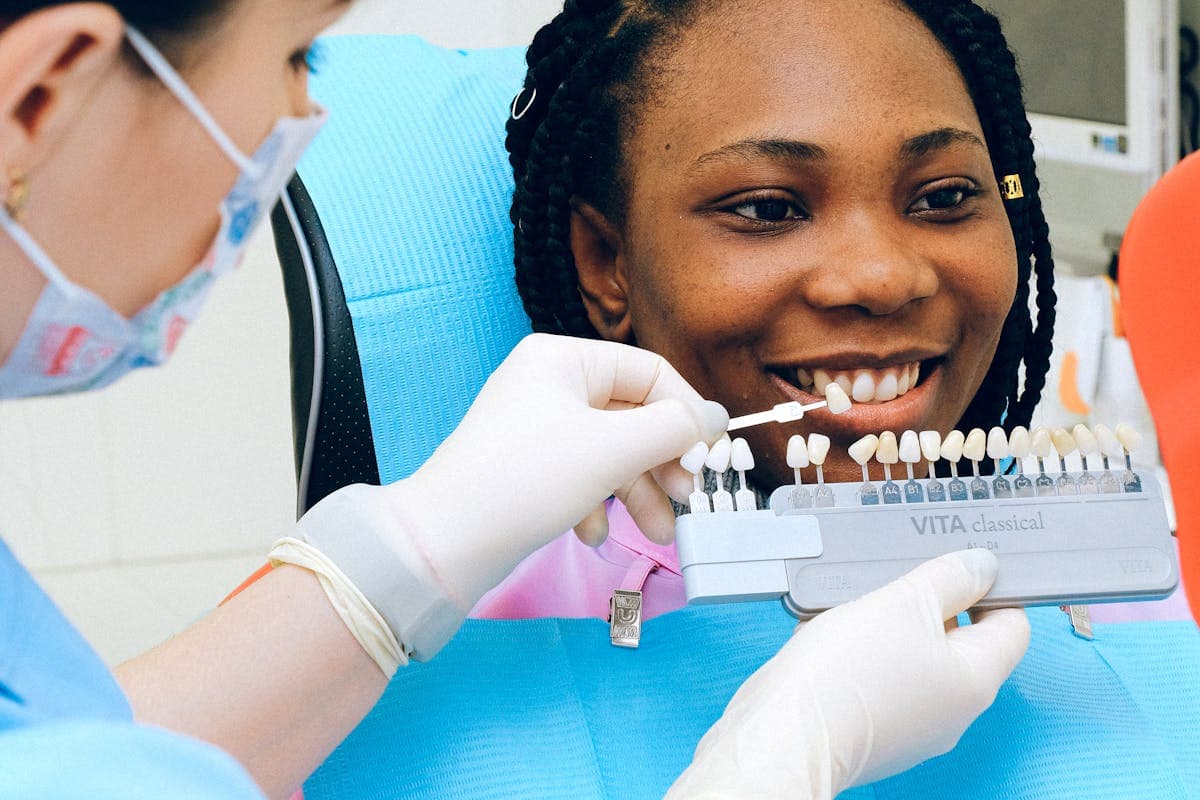
Dental Veneers Aftercare: The Complete Guide to Protecting Your Investment
Key Takeaways
- Porcelain veneers last 10-20 years; composite veneers last 5-7 years with proper care
- The first 48 hours are critical for cement curing — avoid hard or crunchy foods
- Do not bite directly into hard objects (ice, nails, pens) to prevent chipping
- Use a night guard if you grind your teeth — bruxism is the top cause of veneer damage
- Veneers cannot self-repair like natural enamel, making aftercare essential
Protecting Your Investment: Why Veneer Aftercare Matters
Dental veneers are one of the most transformative cosmetic dental procedures available. Whether you have chosen porcelain or composite veneers, you have made a significant investment in your smile - one that can last 10-20 years with porcelain or 5-7 years with composite, provided you take care of them properly. The difference between veneers that look stunning for a decade and veneers that chip, stain, or debond within a few years often comes down to aftercare.
Veneers are thin shells bonded to the front surface of your teeth. They are remarkably strong for their thickness, but they are not indestructible. Unlike natural enamel, veneers cannot repair themselves. A chip in a porcelain veneer cannot heal the way a minor enamel scratch might remineralize. This means every aftercare habit you develop is directly protecting the longevity and appearance of your restoration.
This guide covers everything you need to know, from the critical first 48 hours through long-term maintenance. Many dental clinics now send automated aftercare reminders via WhatsApp to keep patients on track during their adjustment period, but this comprehensive reference will serve as your complete veneer aftercare roadmap.
The First 48 Hours After Veneer Placement
The first two days after your veneers are bonded are the most important window for establishing a strong bond between the veneer and your natural tooth. The dental cement used to bond your veneers needs time to fully cure and reach maximum strength, even though it is light-cured during the appointment.
What to Expect
- Sensitivity: Mild to moderate sensitivity to hot, cold, and pressure is completely normal. Your teeth have been prepared (some enamel was removed) and are adjusting to the new restorations. This typically resolves within 1-2 weeks.
- Bite adjustment: Your bite may feel slightly different or "high" in certain spots. This is common and your dentist will adjust as needed at your follow-up.
- Gum tenderness: The gum tissue around your veneers may be tender or slightly inflamed from the placement procedure. This typically resolves within a few days.
- Speech changes: Some patients notice a very slight lisp or change in how certain sounds feel when speaking. This is temporary and resolves as your tongue adapts to the new tooth contours, usually within a week.
What to Do
- Eat soft foods only: Stick to soft foods for the first 48 hours while the bonding cement reaches full strength. Yogurt, soup, mashed potatoes, scrambled eggs, pasta, and soft fish are all excellent choices.
- Chew carefully: When you do eat, chew slowly and deliberately. Avoid biting directly into food with your front veneers - cut food into smaller pieces and chew with your back teeth.
- Use desensitizing toothpaste: If you experience sensitivity, brush with a desensitizing toothpaste containing potassium nitrate. Apply it directly to the sensitive areas and leave it on for a few minutes before rinsing.
- Take note of your bite: Pay attention to how your teeth come together. If one spot feels significantly higher or if you feel like your bite is off, make a note to tell your dentist at your follow-up appointment.
What to Avoid
- Do not eat hard, crunchy, or sticky foods for at least 48 hours (and ideally for the first full week)
- Do not bite into food with your front teeth - always cut food first
- Do not chew ice, hard candy, or anything that could create a sudden impact on the veneers
- Do not use whitening toothpaste or any abrasive products for the first week
- Do not consume extremely hot or cold foods and beverages if you are experiencing sensitivity
- Do not clench or grind your teeth - if you notice yourself doing this, contact your dentist about a night guard
Managing Sensitivity After Veneers
Some degree of sensitivity after veneer placement is normal and expected. During the preparation process, a thin layer of enamel is removed to make room for the veneer. This brings the veneer surface closer to the dentin layer of your tooth, which contains microscopic tubules that connect to the nerve. Until these tubules are fully sealed by the bonding process, you may experience sensitivity.
How Long Does Veneer Sensitivity Last?
For most patients, sensitivity peaks within the first 24-48 hours and then gradually diminishes over 1-2 weeks. By the two-week mark, the vast majority of patients report that sensitivity has completely resolved. If sensitivity persists beyond 2-3 weeks, or if it gets worse rather than better, contact your dentist.
Tips for Managing Sensitivity
- Desensitizing toothpaste: Use a toothpaste with potassium nitrate (like Sensodyne) twice daily. You can also apply a small amount directly to the sensitive veneer and leave it for 5-10 minutes before rinsing.
- Avoid temperature extremes: Drink room-temperature beverages and avoid alternating quickly between hot and cold foods.
- Soft-bristled toothbrush: Use a soft or extra-soft toothbrush to avoid irritating the gum line around your new veneers.
- Saltwater rinses: Gently rinse with warm salt water (1/2 teaspoon salt in 8 ounces of warm water) 2-3 times daily to soothe gum tissue.
- Over-the-counter pain relief: Ibuprofen (Advil, Motrin) can help manage both sensitivity and any gum inflammation during the first few days.
When Sensitivity Is a Warning Sign
Contact your dentist if:
- Sensitivity gets worse after the first week rather than better
- You experience sharp, spontaneous pain (not triggered by temperature or pressure)
- Pain is localized to one specific veneer and intensifies
- You notice the veneer feels loose or different when you press on it
- Sensitivity is accompanied by visible swelling or a change in gum color
These could indicate bonding issues, nerve inflammation, or other concerns that need professional evaluation.
Foods to Avoid with Veneers
One of the most common ways veneers get damaged is through food choices. While veneers can handle normal eating, there are specific foods and habits that pose a higher risk.
Hard Foods: The Chipping Risk
Porcelain veneers are strong but brittle. They handle compressive force well (biting down evenly), but they are vulnerable to sudden point impacts or lateral forces. Avoid:
- Ice: Chewing ice is one of the top causes of veneer chips and fractures
- Hard nuts and seeds: Almonds, Brazil nuts, and sunflower seed shells can crack veneers
- Hard candy and lollipops: Both the biting risk and the sugar exposure are problematic
- Popcorn kernels: Unpopped kernels hidden in your popcorn are a veneer hazard
- Crusty bread and baguettes: Tearing into hard bread with your front veneers puts them at risk
- Raw carrots and apples: Cut these into small pieces rather than biting into them directly
- Bone-in meats: Ribs, chicken wings, and other bone-in cuts - remove the meat from the bone first
- Corn on the cob: Cut the corn off the cob before eating
Sticky Foods: The Debonding Risk
Sticky foods can grab onto veneers and potentially pull them off the tooth surface:
- Caramel and toffee
- Gummy candy and taffy
- Dried fruit (particularly sticky varieties like dates and figs)
- Chewy granola bars
- Sticky rice dishes
Staining Foods and Beverages
While porcelain veneers are highly stain-resistant, composite veneers are more susceptible to discoloration. Additionally, the bonding cement at the edges of any veneer can absorb stains over time. Be mindful of:
- Coffee and tea: These are the most common staining agents. If you drink them regularly, rinse with water afterward.
- Red wine: Contains both chromogens (color compounds) and tannins that promote staining.
- Dark berries: Blueberries, blackberries, and pomegranate.
- Curry and turmeric: Strong pigments that can stain composite material and bonding edges.
- Soy sauce and balsamic vinegar: Highly pigmented sauces.
- Tomato-based sauces: The acidity combined with the red pigment makes these a double risk.
The rule is simple: if it would stain a white shirt, it can stain the edges of your veneers or discolor composite veneers.
Oral Hygiene with Veneers: The Daily Routine
Proper oral hygiene is non-negotiable for veneer longevity. Veneers protect the front surface of your teeth, but the rest of the tooth - the back, the sides, and the gum line - still needs diligent care. Decay can still form around and behind veneers, and gum disease can undermine the foundation your veneers sit on.
Brushing
- Frequency: Brush at least twice daily - morning and night. Ideally, also brush after meals.
- Toothbrush: Use a soft-bristled manual toothbrush or a sonic electric toothbrush on a low setting. Avoid hard bristles and aggressive brushing, which can wear down the bonding cement over time.
- Toothpaste: Use a non-abrasive fluoride toothpaste. Avoid whitening toothpastes and any paste that contains baking soda or charcoal, as these are too abrasive for the polished veneer surface.
- Technique: Use gentle, circular motions at a 45-degree angle to the gum line. Pay special attention to where the veneer meets the gum - this margin is the most vulnerable area for plaque accumulation and potential decay.
Flossing
- Daily flossing is essential: Floss at least once per day, preferably before your evening brushing.
- Technique: Slide the floss gently between teeth. Do not snap the floss forcefully, as this can catch on veneer edges. Use a gentle sawing motion to guide the floss past the contact point, then curve it into a C-shape against each tooth surface and slide it up and down.
- Alternatives: If traditional floss is difficult, consider using floss picks, a water flosser (like Waterpik), or interdental brushes. Water flossers are particularly effective at cleaning around veneers without risk of catching or pulling.
Mouthwash
- Use an alcohol-free fluoride mouthwash daily.
- Avoid mouthwash that contains alcohol, as it can weaken the bonding cement over time.
- Avoid mouthwash with strong coloring agents (blue, green, or purple rinses).
- Rinse for the full recommended time (usually 30-60 seconds) to allow the fluoride to strengthen your natural tooth structure.
Professional Cleanings
- Schedule cleanings every 6 months (or more frequently if your dentist recommends it).
- Inform your hygienist that you have veneers so they can use appropriate instruments and polishing paste.
- Professional cleanings remove tartar buildup that home care cannot reach, particularly along the gum line and between teeth.
- Your dentist will also inspect the veneer margins, bonding integrity, and overall condition at each cleaning.
Habits That Damage Veneers
Beyond food choices, several common habits can significantly reduce the lifespan of your veneers. Being aware of these and actively working to avoid them is one of the most important aspects of veneer aftercare.
Teeth Grinding and Clenching (Bruxism)
Bruxism is the single greatest threat to veneer longevity. Grinding and clenching generate enormous forces on your teeth - forces that can crack, chip, or fracture even the strongest porcelain. Many people grind or clench at night without realizing it.
Signs you may be grinding:
- Waking up with jaw pain or headaches
- Flattened or worn tooth surfaces
- Tooth sensitivity, especially in the morning
- Tight or fatigued jaw muscles
- Clicking or popping in the jaw joint
Solution: Ask your dentist about a custom night guard (occlusal splint). This is a thin, custom-fitted appliance that you wear while sleeping. It distributes grinding forces evenly and protects your veneers from direct impact. A night guard is an essential investment for anyone with veneers who grinds or clenches, even mildly.
Using Teeth as Tools
Never use your veneered teeth to:
- Open bottles or packaging
- Tear tape or tags
- Hold pins, clips, or other objects
- Bite fingernails
- Rip open packets
Any of these habits can create a point-load on the veneer that exceeds its fracture threshold.
Nail Biting
Nail biting puts repetitive stress on the edges of front veneers and can cause micro-chips that accumulate over time. If you have this habit, work actively to stop it. Consider bitter-tasting nail products or behavioral strategies.
Pen and Object Chewing
Chewing on pens, pencils, eyeglass arms, or other hard objects creates the same risks as chewing hard foods - sudden impact forces that can chip porcelain.
Smoking and Tobacco Use
While porcelain veneers themselves are stain-resistant, smoking stains the natural tooth surfaces visible at the gum line and the bonding cement at veneer margins. Over time, this creates a visible contrast between the bright veneer and the stained surrounding area. Composite veneers are even more susceptible to tobacco staining.
Night Guards: Essential Protection for Veneers
If you have invested in veneers, a custom night guard deserves serious consideration, even if you do not think you grind your teeth. Many people grind or clench without awareness, and the forces involved during sleep can be several times greater than normal chewing forces.
Types of Night Guards
- Custom-fitted from your dentist: These are made from impressions of your teeth and provide the best fit, comfort, and protection. They are the gold standard for veneer protection.
- Boil-and-bite guards: Available at pharmacies, these are a budget option but provide less precise fit and protection than custom guards.
- Hard vs. soft: Hard acrylic guards tend to last longer and provide better protection, while soft guards may be more comfortable but wear out faster. Your dentist will recommend the best type based on the severity of your grinding.
Night Guard Care
- Rinse your night guard with cool water before and after each use
- Brush it gently with a toothbrush and mild soap (not toothpaste, which is too abrasive)
- Store it in its ventilated case when not in use
- Bring it to dental appointments so your dentist can check the fit and wear patterns
- Replace it when your dentist recommends - typically every 2-5 years depending on wear
Staining Prevention: Keeping Your Veneers Bright
One of the main reasons patients get veneers is for a brighter, more uniform smile. Keeping them looking their best requires consistent preventive care.
Porcelain vs. Composite: Different Staining Risks
Porcelain veneers are made from a glass-ceramic material that is naturally stain-resistant. The polished surface does not absorb pigments the way natural enamel does. However, the bonding cement at the margins can stain, and the natural tooth visible at the gum line can discolor, creating contrast.
Composite veneers are made from resin material that is more porous than porcelain. They are more susceptible to staining from food, beverages, and tobacco. Composite veneers require more diligent staining prevention efforts.
Daily Stain Prevention
- Rinse your mouth with water immediately after consuming staining foods or beverages
- Use a straw for coffee, tea, and other pigmented drinks to minimize contact with your front teeth
- Brush within 30 minutes of consuming staining substances (but wait 30 minutes after acidic foods to avoid brushing softened enamel)
- Maintain your daily oral hygiene routine without exception
Professional Maintenance
- Have your veneers professionally polished at each dental cleaning - this restores the smooth surface and removes any surface-level staining
- Composite veneers may benefit from periodic professional repolishing every 6-12 months to maintain their luster
- If bonding edges have stained, your dentist can remove the discolored cement and re-bond those areas
- Do not use over-the-counter whitening strips or trays on veneers - whitening products do not change the color of porcelain or composite, but they can affect the bonding cement and natural tooth differently, creating an uneven appearance
When to See Your Dentist: Warning Signs
Regular dental check-ups are essential for monitoring your veneers, but certain situations warrant an earlier visit.
Contact Your Dentist If You Notice
- A veneer feels loose: Press gently on it with your finger. If it moves or clicks, the bond may have failed. Do not try to remove it yourself.
- A chip or crack: Even small chips should be evaluated. Depending on the severity, the veneer may be repairable or may need replacement.
- Persistent sensitivity: If tooth sensitivity has not resolved after 2-3 weeks, or if it returns months later, this could indicate an issue with the underlying tooth.
- Gum recession: If the gum line around a veneer is pulling back, exposing the margin or the natural tooth underneath, your dentist needs to address this.
- Color changes: If a veneer appears to be changing color or the edges are becoming visibly stained, professional attention can often resolve this.
- Bite changes: If your bite suddenly feels different or you notice a veneer is hitting before the others, an adjustment is needed.
- A veneer falls off: Save the veneer if possible and contact your dentist immediately. Do not try to re-glue it yourself with household adhesive.
- Pain: Sharp or throbbing pain under a veneer may indicate nerve inflammation, decay, or infection and requires prompt evaluation.
Emergency Situations
If a veneer comes off completely:
- Save the veneer - place it in a clean container or small zip-lock bag
- Do not try to reattach it with glue
- If the exposed tooth is sensitive, you can apply a small amount of dental wax or even sugar-free gum as a temporary cover
- Contact your dentist as soon as possible - many offices will see you the same day for a debonded veneer
- Avoid eating on that side until the veneer is re-bonded
Long-Term Veneer Maintenance Checklist
To get the maximum lifespan from your veneers, follow this ongoing maintenance routine:
Daily:
- Brush twice daily with non-abrasive fluoride toothpaste and a soft-bristled brush
- Floss once daily (or use a water flosser)
- Rinse with alcohol-free fluoride mouthwash
- Wear your night guard if prescribed
After meals:
- Rinse with water after eating or drinking staining substances
- Wait 30 minutes before brushing if you consumed acidic foods
Every 6 months:
- Professional dental cleaning and examination
- Veneer inspection and polishing
- Night guard evaluation (if applicable)
Ongoing awareness:
- Cut hard and crunchy foods into small pieces
- Never use your teeth as tools
- Avoid biting directly into food with front veneers
- Stop habits like nail biting and object chewing
- If you play contact sports, wear a custom sports mouth guard
Veneer Aftercare FAQ
How long do dental veneers last?
Porcelain veneers typically last 10-20 years, with many lasting even longer with excellent care. Composite veneers generally last 5-7 years before they may need replacement or significant repair. The biggest factors affecting lifespan are: oral hygiene habits, whether you grind your teeth, your diet and eating habits, and how consistently you attend dental check-ups. Patients who follow a thorough aftercare routine consistently report the longest-lasting results.
Can I whiten my veneers?
No. Whitening products (bleaching gels, whitening strips, whitening toothpaste) do not change the color of porcelain or composite veneers. The color of your veneers was selected and set during the manufacturing process. If your veneers have become stained at the margins, professional cleaning and polishing can address this. If you want your natural teeth whitened to match your veneers, discuss this with your dentist, as whitening your natural teeth can affect the color match.
Do veneers require special toothpaste?
Use a non-abrasive fluoride toothpaste. Avoid whitening toothpastes, charcoal toothpastes, and baking soda-based pastes, as these contain abrasive particles that can scratch the polished veneer surface over time. For sensitive veneers, a desensitizing toothpaste containing potassium nitrate is recommended. Your dentist can recommend specific brands that are safe for veneers.
Can veneers get cavities?
The veneer itself cannot decay, but the natural tooth underneath and around it absolutely can. Decay can form at the margins where the veneer meets the natural tooth, on the back surface of the tooth, or between teeth. This is why diligent brushing, flossing, and regular dental visits are essential - a cavity forming under or around a veneer can compromise the restoration and potentially require the veneer to be removed and replaced.
What happens if a veneer chips?
Small chips in porcelain veneers can sometimes be repaired with composite resin bonding, depending on the location and severity. Composite veneers are generally easier to repair. Larger chips or cracks usually require the veneer to be completely replaced. Contact your dentist as soon as you notice a chip - early treatment prevents further damage and potential complications.
Automate Your Veneer Aftercare Follow-Up
If you run a dental or cosmetic dentistry practice, you know that patient compliance during the first weeks after veneer placement directly determines long-term outcomes. Patients forget the food restrictions, skip the night guard, or delay reporting problems until minor issues become major ones. PostCare automates your veneer aftercare messaging via WhatsApp, sending timed reminders about sensitivity management, dietary guidelines, oral hygiene tips, and follow-up scheduling - exactly when patients need them. No more patients chipping their new veneers on hard food the first week, no more debonded veneers from patients who did not know to call. Discover how PostCare helps dental clinics deliver consistent aftercare and protect the smile investments you create every day.
Related Reading
- What Is Aftercare? The Complete Guide for Clinics and Practitioners
- Teeth Whitening Aftercare: Protect Your Brighter Smile
- How to Reduce Post-Treatment Phone Calls by 60%
- 7 Best Aftercare Software for Clinics in 2026 (Compared)
- Dental Implant Aftercare: The Complete Guide
Are you a practitioner? If you provide this treatment and want to automate aftercare instructions for your clients via WhatsApp, PostCare sends the right message at the right time — so your clients heal better and you save hours every week. Start your free trial.
Stop printing aftercare guides
Automate sending personalized aftercare instructions to every client via WhatsApp.