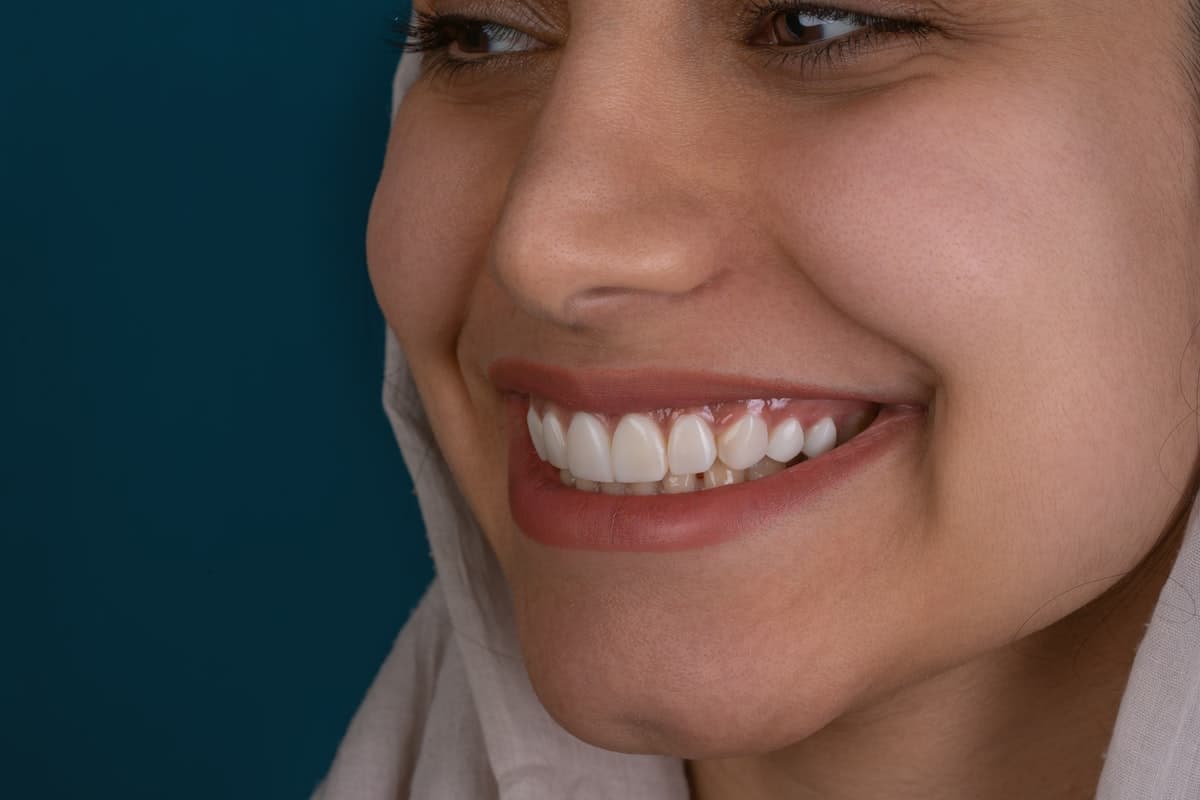
Teeth Whitening Aftercare Guide: Protect Your Brighter Smile
Key Takeaways
- The first 48 hours after whitening are the highest risk for re-staining
- Follow the "white diet" — avoid coffee, red wine, berries, and dark sauces
- Tooth sensitivity after whitening is normal and resolves within 24-72 hours
- Use a straw for colored beverages to minimize contact with teeth
- Without proper aftercare, whitening results fade in days instead of months
Why Teeth Whitening Aftercare Matters More Than the Treatment Itself
You just invested in a brighter smile - congratulations. But here is the truth most patients do not hear: the 48 hours after teeth whitening are more important than the treatment itself. Without proper teeth whitening aftercare, your results can fade in days rather than lasting months.
Professional whitening opens the pores of your enamel (called dentinal tubules) to remove deep stains. During this window, your teeth are exceptionally porous and vulnerable to new staining. Think of it like painting a wall - you would not touch it before the paint dries. The same logic applies to your freshly whitened teeth.
Clinics that provide clear, structured aftercare instructions see dramatically better patient outcomes and significantly fewer complaints about fading results. If you run a dental clinic, making aftercare guidance automatic and consistent is one of the simplest ways to improve patient satisfaction.
The Critical First 48 Hours After Whitening
The first two days after whitening are the highest-risk period for re-staining. Your enamel pores are still open, and anything with color can penetrate the tooth surface. Here is exactly what to do - and what to avoid.
What to Do
- Brush gently with a soft-bristled toothbrush and a whitening or sensitivity toothpaste
- Rinse with water after every meal or drink
- Use a straw for any beverages that are not plain water
- Stick to the white diet (detailed below) for at least 48 hours
- Stay hydrated - water naturally rinses away particles that could stain
What to Avoid Completely
- Coffee, tea, and red wine - the top three staining culprits
- Colored sauces - soy sauce, tomato sauce, balsamic vinegar, curry
- Dark fruits - blueberries, blackberries, pomegranate
- Tobacco in any form - smoking is the fastest way to undo your results
- Colored mouthwash - switch to a clear, alcohol-free formula
- Acidic foods - citrus fruits and vinegar can increase sensitivity on freshly treated enamel
The White Diet: Your Complete Food Guide
The "white diet" is not a weight-loss plan - it is your roadmap for protecting whitening results. The rule is simple: if it would stain a white shirt, it will stain your teeth. Follow this diet strictly for 48 hours, and loosely for up to two weeks.
Safe Foods (Green Light)
| Category | Options |
|---|---|
| Proteins | Chicken breast, white fish, tofu, egg whites, turkey |
| Dairy | Plain yogurt, white cheese, milk, cream cheese |
| Grains | White rice, plain pasta, white bread, oatmeal |
| Vegetables | Cauliflower, potatoes (peeled), white onions, mushrooms |
| Fruits | Bananas, pears (peeled), white grapes, apples (peeled) |
| Drinks | Water, milk, clear coconut water, white tea (light brew) |
Foods to Avoid (Red Light)
| Category | Why |
|---|---|
| Coffee and tea | Tannins bond to porous enamel instantly |
| Red wine and dark beer | Chromogens plus acid - double staining risk |
| Berries | Intense natural pigments penetrate open pores |
| Tomato-based sauces | Acidic and deeply colored |
| Curry and turmeric | Yellow pigments are extremely persistent |
| Dark chocolate | Contains tannins similar to coffee |
| Beets | One of the strongest natural dyes |
What About Clear Liquids?
White wine, sparkling water, and clear juices (like apple juice) are generally acceptable, but be cautious. White wine is acidic, and acidity softens enamel, making it more susceptible to staining from anything you eat or drink afterward. If you drink white wine, rinse with water immediately after.
Week 1-2 Aftercare: Building Lasting Results
After the initial 48 hours, your enamel begins to remineralize and close those open pores. But the process is not instant. The first two weeks are a transition period where smart habits lock in your results.
Daily Routine for Weeks 1-2
- Morning: Brush with whitening toothpaste (look for hydrogen peroxide or baking soda formulas). Wait 30 minutes before eating.
- After meals: Rinse with water immediately. Wait 30 minutes before brushing (brushing too soon after eating can damage softened enamel).
- Evening: Brush thoroughly, then use a fluoride rinse to strengthen enamel and reduce sensitivity.
- Floss daily: Stains can build between teeth and make your overall smile look less bright.
Gradually Reintroduce Foods
- Days 3-5: You can start adding light-colored foods back - light soups, lightly cooked vegetables, mild cheeses
- Days 5-7: Moderate reintroduction of colored foods, but still avoid the worst offenders (coffee, red wine, curry)
- Week 2: Most foods are safe, but continue using a straw for staining beverages and rinsing after meals
Touch-Up Products
Your dentist may recommend at-home maintenance products. Common options include:
- Whitening pens: Quick touch-ups on specific teeth, useful for front teeth maintenance
- Custom tray kits: Your dentist makes molds of your teeth for at-home gel application
- Whitening strips: Over-the-counter option for periodic maintenance (use as directed - more is not better)
- Whitening toothpaste: Daily maintenance to remove surface stains before they set
Managing Sensitivity After Teeth Whitening
Tooth sensitivity after whitening is normal and expected. About 60-70% of patients experience some degree of sensitivity, usually peaking 12-24 hours after treatment and resolving within 3-5 days.
Why Sensitivity Happens
Whitening agents penetrate enamel to reach the dentin layer beneath. This temporarily exposes microscopic nerve pathways. It is not damage - it is a temporary side effect that resolves as enamel remineralizes.
How to Manage It
- Use sensitivity toothpaste (containing potassium nitrate or stannous fluoride) starting 2 weeks before your appointment and continuing for 2 weeks after
- Avoid extreme temperatures - no ice water, no very hot coffee (when you reintroduce it)
- Apply sensitivity gel if your dentist provides one - these typically contain desensitizing agents that block nerve signals
- Take over-the-counter pain relief if needed - ibuprofen works well for dental sensitivity
- Skip whitening toothpaste if sensitivity is severe - switch to a sensitivity formula for the first week, then alternate
When to Contact Your Dentist
While mild sensitivity is normal, contact your dental clinic if:
- Sensitivity persists beyond 7 days with no improvement
- You experience sharp, shooting pain (rather than dull sensitivity)
- Gums become very red, swollen, or blistered
- You notice white spots or patches on your gums (chemical burn from whitening agent)
Long-Term Maintenance: Keeping Your Smile Bright for Months
Professional whitening results typically last 6-12 months with proper maintenance, or as little as 3 months without it. Here is how to stay on the longer end of that range.
Monthly Habits
- Continue using whitening toothpaste 3-4 times per week (alternate with regular or sensitivity toothpaste)
- Use a whitening mouthwash once daily
- Professional cleanings every 6 months remove surface stains that build up gradually
- Avoid or minimize the biggest staining agents - coffee, tea, red wine, tobacco
The Straw Rule
This simple habit makes a surprising difference: use a straw for any beverage that is not water or milk. Coffee through a straw might feel unusual, but it bypasses your front teeth almost entirely. Reusable metal or silicone straws make this easy and sustainable.
Touch-Up Treatments
Most patients benefit from a professional touch-up every 6-12 months. These sessions are shorter and less expensive than the initial treatment because they are maintaining results rather than starting from scratch. Ask your dentist about maintenance plans.
Frequently Asked Questions
How long should I follow the white diet?
Strictly for 48 hours, loosely for up to 2 weeks. The first 48 hours are critical because your enamel pores are fully open. After that, gradually reintroduce foods while continuing to rinse after eating colored foods.
Can I drink coffee the day after whitening?
It is best to wait at least 48 hours. If you absolutely must have coffee on day two, drink it through a straw and rinse with water immediately after. But waiting the full 48 hours gives significantly better results.
Is sensitivity after whitening permanent?
No. Post-whitening sensitivity is temporary and typically resolves within 3-5 days. If it persists beyond a week, contact your dentist - they may recommend a remineralizing treatment.
How often can I get my teeth whitened?
Most dentists recommend waiting at least 6 months between professional treatments. Over-whitening can damage enamel and increase sensitivity. Touch-up products can bridge the gap between professional sessions.
Will whitening damage my enamel?
Professional whitening performed by a qualified dentist is safe for enamel. The temporary porosity resolves within days as enamel remineralizes. However, excessive or improper use of over-the-counter products can cause issues - always follow product directions and your dentist's advice.
Can I smoke after teeth whitening?
Smoking is one of the fastest ways to reverse whitening results. The tar and nicotine in tobacco cause deep, persistent staining. If you smoke, your results will fade significantly faster. This is a good opportunity to consider quitting - your smile (and your health) will thank you.
Make Aftercare Automatic for Your Dental Clinic
Remembering to explain all of these aftercare steps to every patient takes time - and patients forget verbal instructions within hours. PostCare automates teeth whitening aftercare via WhatsApp, sending your patients timely reminders about the white diet, sensitivity management, and follow-up care at exactly the right moments. Your patients get better results, and your clinic builds a reputation for exceptional care. Explore PostCare for dental clinics to see how automated aftercare messaging works.
Related Reading
- What Is Aftercare? The Complete Guide for Clinics and Practitioners
- Dental Veneers Aftercare: The Complete Guide
- How to Reduce Post-Treatment Phone Calls by 60%
- 7 Best Aftercare Software for Clinics in 2026 (Compared)
- Dental Implant Aftercare: The Complete Guide
Are you a practitioner? If you provide this treatment and want to automate aftercare instructions for your clients via WhatsApp, PostCare sends the right message at the right time — so your clients heal better and you save hours every week. Start your free trial.
Stop printing aftercare guides
Automate sending personalized aftercare instructions to every client via WhatsApp.