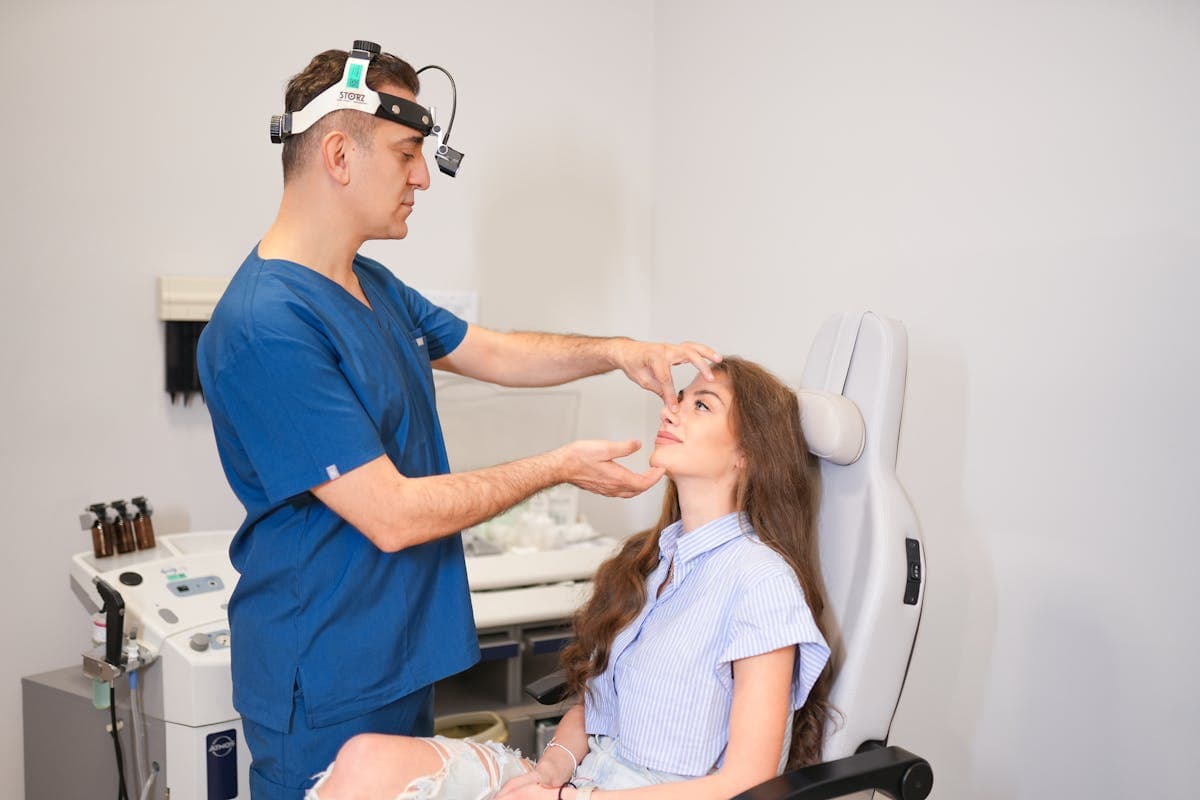
Rhinoplasty Aftercare: The Complete Recovery Guide for Optimal Results
Key Takeaways
- Rhinoplasty healing takes 6-12 months for swelling to fully resolve
- Sleep elevated at 30-45 degrees for the first 2 weeks to minimize swelling
- Avoid glasses, sunglasses, or anything resting on the nose bridge for 4-6 weeks
- A single accidental bump in the first week can compromise surgical results
- Structured aftercare protocols improve outcomes and reduce revision consultations
Why Rhinoplasty Aftercare Determines Your Results
Rhinoplasty is one of the most technically demanding cosmetic procedures, and it is also one where patient behavior after surgery has an outsized impact on the outcome. A perfectly executed rhinoplasty can be compromised by a single accidental bump during the first week, sleeping in the wrong position, or skipping nasal care instructions.
For surgeons and clinic teams, this creates a real problem. You spend hours in the operating room achieving precise results, but you have limited control over what the patient does during the 6-12 months of healing that follow. Studies show that patients who follow structured aftercare protocols have significantly better outcomes, fewer revision consultations, and higher satisfaction scores.
This guide covers everything your patients need to know, organized by recovery phase, with the clinical detail that cosmetic surgery professionals expect. If you are new to the concept, our guide on what aftercare means and why it matters is a great starting point.
Understanding Rhinoplasty Healing: What Happens Inside the Nose
Before diving into aftercare instructions, understanding the healing process explains why each instruction matters.
During rhinoplasty, the surgeon reshapes bone, cartilage, and soft tissue. The body responds with a predictable cascade:
- Inflammation phase (days 1-7): Blood flow increases to the surgical area. Swelling and bruising peak around days 2-3. This is the body's natural repair response.
- Proliferative phase (weeks 2-8): New tissue forms. Collagen is deposited. The nose begins to take shape, but is still soft and vulnerable to displacement.
- Remodeling phase (months 3-12+): Scar tissue matures and contracts. The skin re-drapes over the new framework. Subtle refinement continues for up to 18 months.
Key takeaway: the nose is structurally vulnerable for much longer than patients realize. The cast comes off at 7-10 days, but the internal framework is not fully stable for 6-8 weeks. Final results are not visible for 12-18 months.
The First 48 Hours: Critical Post-Operative Care
The first two days set the tone for the entire recovery. These instructions are non-negotiable.
Head Elevation
Keep the head elevated above the heart at all times, including while sleeping. Use 2-3 pillows or a wedge pillow to maintain a 30-45 degree angle. This is the single most effective measure for reducing swelling.
Why it matters: gravity helps drain fluid away from the surgical site. Lying flat causes blood and lymph fluid to pool in the nasal tissues, dramatically increasing swelling and bruising.
Cold Compresses
Apply cold compresses to the cheeks and under-eye area (never directly on the nose or cast) for 15 minutes on, 15 minutes off during waking hours. Frozen peas wrapped in a thin cloth work better than rigid ice packs because they conform to the facial contours.
Bleeding Management
Light oozing from the nostrils is normal for 24-48 hours. The drip pad (gauze taped under the nose) should be changed as needed. Patients should not blow their nose. If bleeding is heavy or does not stop, contact the surgical team immediately.
Pain Management
Most rhinoplasty patients rate pain as moderate, more comparable to sinus pressure than sharp pain. Prescribed pain medication should be taken on schedule for the first 48 hours rather than waiting until pain becomes severe. Avoid aspirin and ibuprofen, which thin the blood and increase bruising.
What to Avoid in the First 48 Hours
- No bending over at the waist (pick things up by bending at the knees)
- No lifting anything heavier than 5 kg
- No hot showers or baths (steam increases swelling; use lukewarm water)
- No nose blowing (this can displace the nasal structures)
- No glasses or sunglasses resting on the nose bridge
- No smoking or vaping (nicotine restricts blood flow and impairs healing)
Week 1: Splint and Packing Phase
Days 3-5: Peak Swelling and Bruising
Swelling and bruising typically peak around day 3, then gradually improve. Periorbital bruising (black eyes) is common, especially after work on the nasal bones. Patients combining rhinoplasty with eyelid surgery should expect more extensive bruising in this area. The discoloration progresses from purple to green to yellow over 10-14 days.
Patients are often alarmed by their appearance during this phase. Reassure them that this is temporary and expected. The worst swelling always looks worse than the actual surgical changes.
Nasal Hygiene
If the surgeon uses internal splints or packing, the patient will breathe primarily through the mouth for 5-7 days. This causes:
- Dry mouth and sore throat: Keep water at the bedside. Use a humidifier. Lip balm prevents cracking.
- Difficulty sleeping: Mouth breathing during sleep is uncomfortable. The elevated sleeping position compounds this. Short naps during the day help compensate for poor nighttime sleep.
Once packing is removed, gentle saline irrigation (as directed by the surgeon) keeps the nasal passages clean and promotes healing.
The Splint Removal (Day 7-10)
The external cast or splint is typically removed at 7-10 days. This is an emotional moment for patients, but it is important to manage expectations:
- The nose will look swollen and the tip will appear wide and upturned.
- This is NOT the final result. The nose at splint removal looks nothing like the nose at 6 months or 12 months.
- The skin may peel or look shiny where the splint was.
- Some patients feel the nose is "worse" than before. This is swelling, not the surgical result.
Weeks 2-4: Early Recovery
Returning to Work and Social Activities
Most patients return to desk work at 7-14 days, depending on visible bruising. Working from home is ideal during weeks 1-2. If the job involves physical labor, plan for 3-4 weeks off.
Activity Restrictions
- Walking: Encouraged from day 3 onwards. Gentle walks promote circulation without raising blood pressure excessively.
- Light exercise: Can resume at 3-4 weeks (yoga, light cycling, walking).
- No contact sports or swimming for at least 6-8 weeks.
- No weight lifting or intense cardio for 4-6 weeks.
Glasses and Sunglasses
No eyewear should rest on the nose bridge for 6-8 weeks minimum (some surgeons recommend 12 weeks). Options for glasses wearers:
- Tape glasses to the forehead
- Use a glasses splint that distributes weight to the cheeks
- Switch to contact lenses temporarily
This is one of the most commonly violated restrictions, and one that can cause visible indentations in the healing nasal bones.
Sun Protection
The nose is extremely sensitive to sun damage during healing. UV exposure can cause permanent discoloration of bruised skin and worsen swelling. Use SPF 50+ sunscreen daily and wear a wide-brimmed hat when outdoors. Avoid direct sun exposure for at least 3 months.
Months 1-3: Intermediate Recovery
Swelling Patterns
By month 1, about 70% of the swelling has resolved. The nose continues to refine over months 2-3. Patients will notice:
- The bridge definition becomes more visible as swelling decreases.
- The tip remains swollen longer than the bridge (this is normal and resolves slowly).
- Swelling fluctuates with salt intake, alcohol, heat, and sleep position.
- Morning swelling is worse than evening swelling (gravity helps drain fluid during the day).
Resuming All Activities
By 8-12 weeks, most activity restrictions are lifted. Patients can:
- Wear glasses normally
- Resume all exercise including contact sports (with caution)
- Swim and submerge the nose
- Blow the nose gently
Emotional Recovery
The psychological aspect of rhinoplasty recovery is often underestimated. A study in Aesthetic Surgery Journal found that patient satisfaction is lowest at 1-3 months post-op, when swelling distorts the result but the novelty of "having had surgery" has worn off. Satisfaction rises dramatically at 6-12 months as the final result becomes apparent.
For clinics, proactive aftercare messaging during this difficult period reduces anxious phone calls, unnecessary revision consultations, and negative reviews from patients who are simply in the normal healing timeline. This applies equally to other facial procedures such as facelifts.
Months 3-12: Final Refinement
Skin Thickness Matters
Patients with thin skin see their final result sooner (around 6-9 months). Patients with thick skin, particularly at the nasal tip, may wait 12-18 months for the final result. The surgeon should set these expectations during the pre-operative consultation, and aftercare messaging should reinforce them.
Long-Term Care
Once healed, the rhinoplasty result is permanent, but the nose continues to age naturally. Long-term care includes:
- Sun protection: Ongoing SPF use protects the skin and underlying structures.
- Avoiding trauma: The reshaped nose may be more vulnerable to injury than a natural nose, particularly if bone was removed.
- Skin care: Maintaining skin quality with a good skincare routine helps the result age well.
Signs of Complications: When to Contact the Surgeon
Most rhinoplasty recoveries are uneventful, but patients should know when to call:
- Heavy bleeding that does not stop with gentle pressure and head elevation
- Increasing pain after day 3-4 (pain should be decreasing, not increasing)
- Fever above 38.5C (may indicate infection)
- Foul-smelling discharge from the nostrils
- Sudden increase in swelling on one side
- Vision changes or severe headache
- Skin that turns white or dark over the nose (may indicate compromised blood supply)
How PostCare Helps Clinics Automate Rhinoplasty Aftercare
Rhinoplasty aftercare is a 12-month journey with different instructions at each phase. Our post-surgery rehabilitation guide covers general recovery principles that complement this rhinoplasty-specific protocol. Manually sending these instructions via phone calls or printed handouts is time-consuming and unreliable.
PostCare automates the entire aftercare sequence via WhatsApp. Your patients receive the right instructions at the right time, from the first 48 hours through the 12-month follow-up. This means fewer anxious phone calls, better outcomes, and patients who feel cared for throughout their recovery.
Set up your rhinoplasty aftercare sequence in minutes at postcare.net.
Related Reading
- What Is Aftercare? The Complete Guide for Clinics and Practitioners
- Facelift Aftercare: The Complete Recovery Guide
- Blepharoplasty Aftercare: The Complete Eyelid Surgery Recovery Guide
- How to Reduce Post-Treatment Phone Calls by 60%
- 7 Best Aftercare Software for Clinics in 2026 (Compared)
Are you a practitioner? If you provide this treatment and want to automate aftercare instructions for your clients via WhatsApp, PostCare sends the right message at the right time — so your clients heal better and you save hours every week. Start your free trial.
Stop printing aftercare guides
Automate sending personalized aftercare instructions to every client via WhatsApp.